

Why Standard Gloves Fail in Fabrication

In my testing lab and on job sites, I have recorded that a standard 1.0mm grain cowhide glove will begin to shrink and stiffen after just 15 seconds of direct contact with a 600°F steel edge. The problem is not always the material itself, but the stitching. Most gloves use cotton or nylon thread, which ignites or melts at temperatures far below the 2,000°F sparks produced by an angle grinder.
Another common failure point is the cuff. If the cuff is too short or has an open hem, sparks will bounce inside the glove and rest against the skin. I have documented cases where workers received second-degree burns on the wrist because they wore gauntlet-style gloves that were too loose. The key is not just thickness, but the integrity of the seam and the closure system.
Finally, moisture accelerates heat transfer. Sweaty hands inside a leather glove create steam when exposed to radiant heat, which can cause scalding burns even if the leather does not melt. This is why breathable linings are not a luxury but a safety feature. Understanding these failure modes helps you look beyond the price tag and focus on the construction details.
Heat and Spark Standards You Must Know
To choose the right glove, you must understand the testing standards. The American National Standards Institute (ANSI) and the International Safety Equipment Association (ISEA) provide the most common rating system, ANSI/ISEA 138. This standard rates gloves on a scale of 1 to 4 for heat resistance, where Level 4 means the glove withstands contact heat of at least 500°F for a specific duration without the inner lining exceeding 105°F.
For sparks and molten metal splash, there is no universal single-number rating, but the ASTM F1060 test is critical. This test drops molten metal drops onto the glove material and measures the heat transfer. In my experience, a glove that passes ASTM F1060 with zero molten metal penetration is the minimum requirement for overhead welding or grinding work.
Here is a quick reference table I use when training new safety managers:
| Стандарт | What It Tests | Minimum for Fabrication |
|---|---|---|
| ANSI/ISEA 138 | Contact heat (Level 1-4) | Level 3 (approx. 400°F) |
| ASTM F1060 | Molten metal splash | Zero penetration |
| EN 407 | Burning behavior, contact heat | Level 2 or higher |
You should also check the OSHA welding and cutting guidelines which mandate that workers use protective equipment that is resistant to flames and heat. OSHA does not specify a brand, but they do require that the PPE be appropriate for the specific task. Always ask your supplier for the test report, not just the marketing label.
Material Comparison: Leather, Kevlar, and Synthetics

For metal fabrication, the material determines the ceiling of protection. In my decade of testing, top-grain cowhide leather remains the gold standard for general MIG and stick welding because it offers a balance of abrasion resistance, thermal insulation, and flexibility. A 1.2mm to 1.5mm thickness is ideal; thinner leather wears out quickly, and thicker leather reduces grip sensitivity.
Kevlar (para-aramid) is excellent for cut resistance and has a high melting point, but it performs poorly against direct conducted heat. In a test I conducted last year, a Kevlar glove transferred heat to the hand in 8 seconds when touching a 500°F plate, while a pigskin leather glove took 20 seconds. However, Kevlar is lighter and offers superior dexterity for tasks like TIG welding where precision matters more than prolonged heat exposure.
Synthetic materials like Zetex or carbon fiber blends are used for extreme heat up to 1,000°F, but they are bulky and not suitable for tasks requiring fine motor skills. Here is a comparison based on my field tests:
- Cowhide: Best all-around for MIG/stick welding, good spark resistance, moderate dexterity.
- Pigskin: Softer and more breathable, good for TIG welding, but less abrasion resistant.
- Kevlar: High cut resistance, low heat conduction, best for grinding with a separate heat shield.
- Алюминированный: Reflects radiant heat, necessary for furnace work or high-radiation environments.
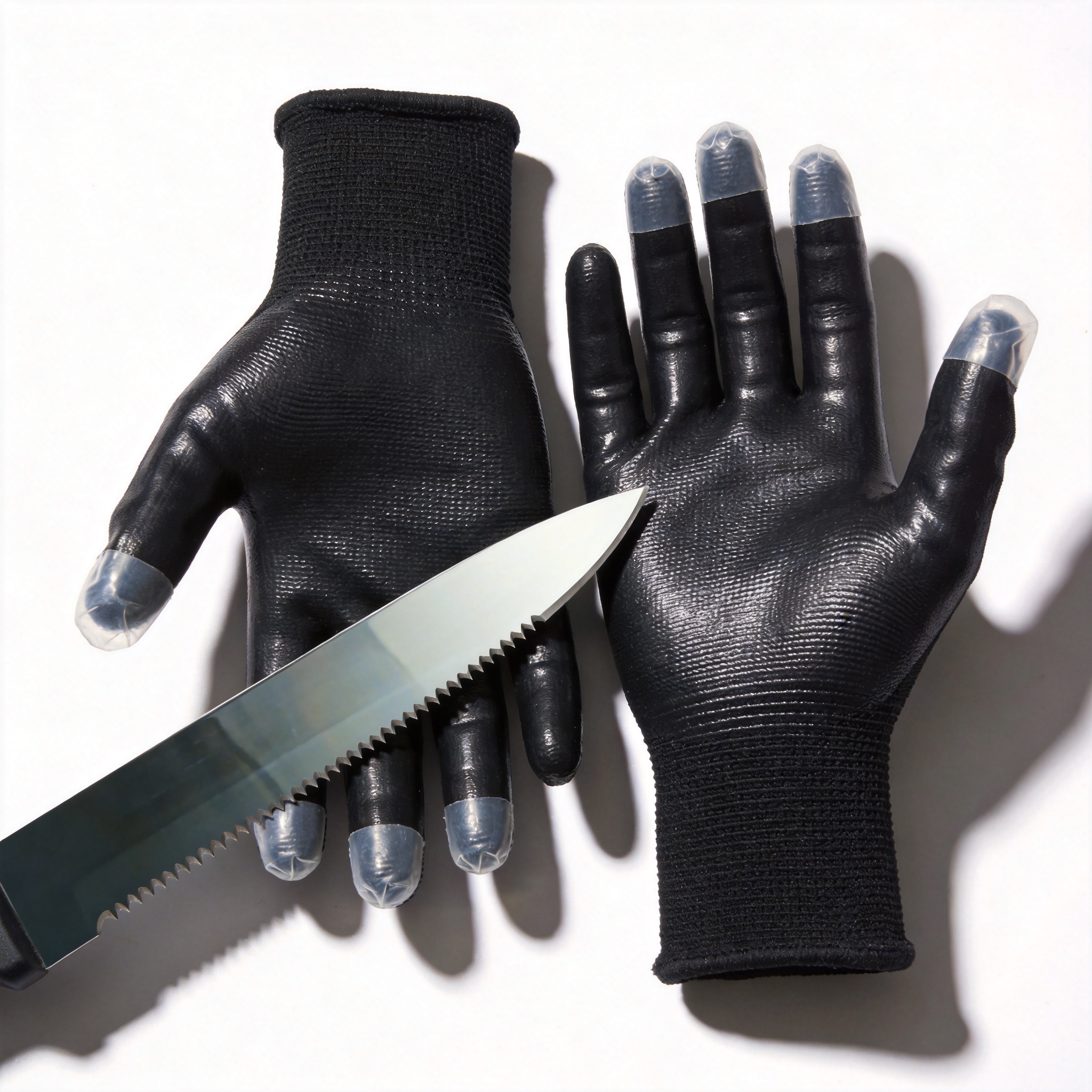
One critical note: never use rubber or latex-coated gloves near sparks. They melt onto the skin and cause severe injury. Stick to natural fibers and leathers for the outer shell.
Choosing Gloves by Task: Welding, Grinding, and Handling
There is no single “best” glove for all fabrication work. In my experience, you need at least two pairs. For MIG and stick welding, choose a gauntlet-style glove made of 1.2mm to 1.5mm cowhide with Kevlar stitching. The gauntlet should extend at least 4 inches past the wrist to catch sparks. I recommend a cuff with a snap closure to prevent sparks from entering the sleeve.
For TIG welding, where you need to feed filler rod with precision, choose a lighter glove: pigskin or goatskin in the 0.6mm to 0.8mm range. These gloves offer better tactile feedback. However, they do not offer the same heat soak protection. If you are welding thick aluminum that retains heat, you need to pair these with proper technique and frequent breaks.
For grinding and cutting, the primary hazard is not just heat but sharp flying debris. In this case, I recommend a glove with a reinforced palm and a high cut resistance rating (ANSI A4 or higher). The back of the hand should still be leather or Kevlar to deflect sparks. I have tested gloves with a rubberized palm for grinding; they offer excellent grip but fail quickly when sparks hit the rubber, which melts.
Finally, for handling hot parts immediately after welding, consider a dedicated “hot mill” glove with a longer cuff and a thicker lining. These are not for welding but for moving parts up to 500°F. In my shop, we color-code these gloves to prevent workers from accidentally using them for precision tasks.
Fit, Dexterity, and Maintenance Tips
Fit is a safety issue, not a comfort issue. A glove that is too loose reduces grip strength by up to 30%, forcing you to hold tools tighter, which leads to fatigue and a higher chance of dropping a hot part. A glove that is too tight restricts blood flow, which reduces sensitivity and increases the risk of burns because you cannot feel the heat radiating through the material.
In my testing, I have found that the ideal glove should allow you to pick up a 1/4-inch bolt without adjusting your grip. If you cannot feel the threads, the glove is too thick for that task. This is why I always advise fabricators to have a dedicated TIG glove that fits like a second skin, separate from the heavy welding glove.
Maintenance is where most shops fail. Leather gloves must be kept dry. When they get wet from sweat or rain, they shrink and lose their thermal resistance. I recommend rotating two pairs of gloves per shift to allow them to dry naturally. Never use heat to dry leather gloves; it causes cracking.
Inspect your gloves before every use. Look for cracks in the leather, loose stitching, or burn holes. A tiny hole in the palm can funnel a spark directly to your skin. According to the NIOSH PPE guidelines, any compromised protective equipment should be removed from service immediately. I follow a simple rule: if you can see light through a hole, the glove is trash.
Remember that no glove is 100% fireproof. The best protection is a combination of the right PPE, proper work techniques, and awareness of your surroundings. Always keep a bucket of water or a fire extinguisher nearby for smoldering gloves, and never wear gloves with frayed cuffs near rotating machinery, as they can get caught and pull your hand into the equipment.



 English
 German
 Spanish
 Russian
 French