

Personal Protective Equipment (PPE) plays a critical role in protecting workers from occupational hazards. From manufacturing plants and construction sites to logistics centers and industrial workshops, PPE helps minimize risks and creates safer workplaces.
As workplace safety standards continue to evolve, businesses are increasingly recognizing PPE as a valuable investment rather than simply a regulatory requirement.
What Is Personal Protective Equipment?
Personal Protective Equipment refers to specialized clothing and equipment designed to protect workers from physical, chemical, biological, and environmental hazards.
PPE serves as a protective barrier between workers and potential dangers encountered during daily operations.
Why PPE Is Essential in Modern Workplaces
Accidents can happen even in well-managed workplaces. PPE significantly reduces the severity and frequency of workplace injuries.
Injury Prevention
Properly selected PPE protects workers from:
- Cuts and abrasions
- Impact injuries
- Chemical exposure
- Electrical hazards
- Respiratory risks
Regulatory Compliance
Many industries require employers to provide appropriate PPE to comply with local and international safety regulations.
Increased Worker Confidence
Employees who feel protected are often more confident and productive in their daily tasks.
Types of PPE Used Across Industries
Different work environments require different forms of protection.
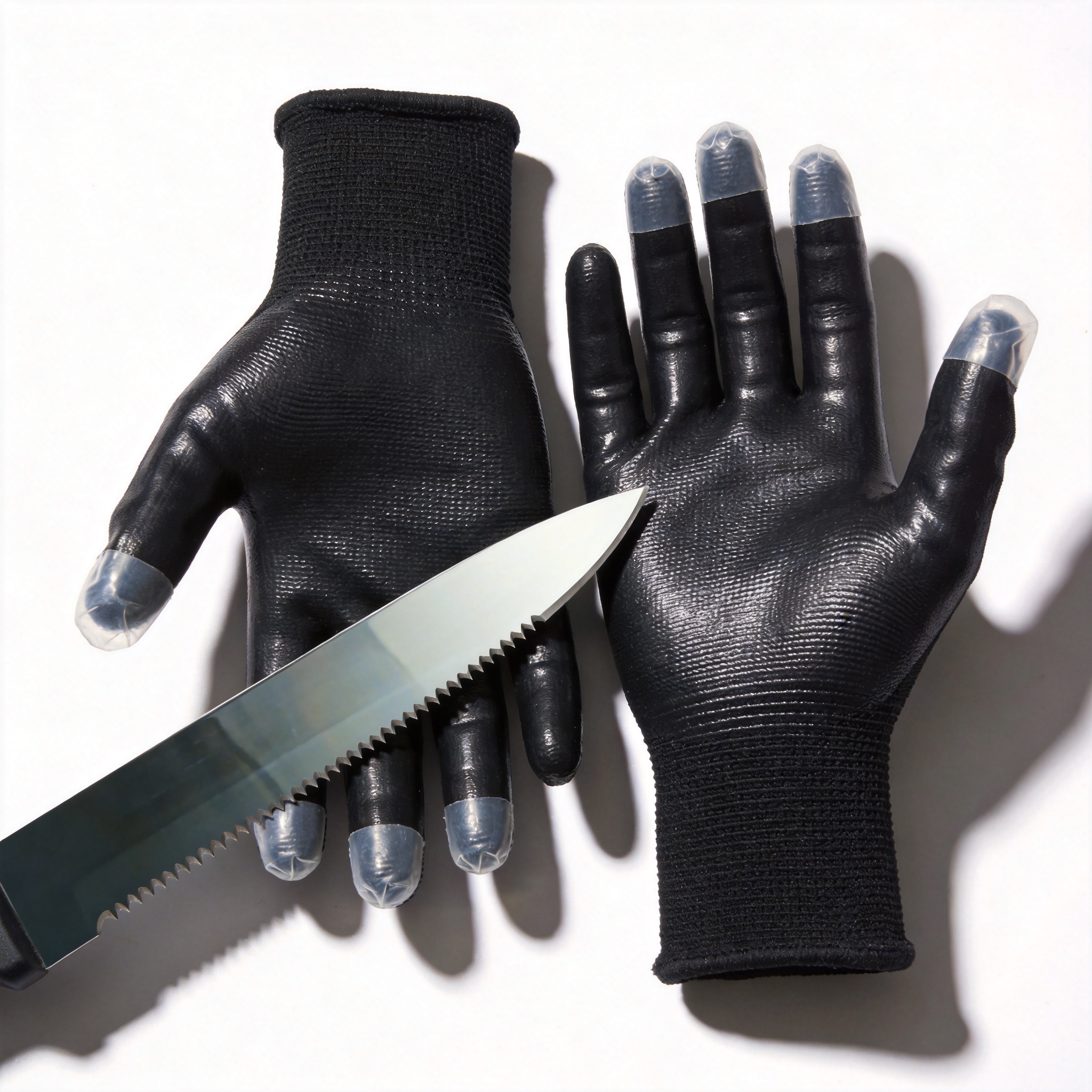
Hand Protection
Safety gloves are among the most commonly used PPE products.
They help protect against:
- Sharp objects
- Heavy materials
- Chemicals
- Vibrations
Head Protection
Safety helmets are essential for preventing head injuries caused by falling objects and accidental impacts.
Eye and Face Protection
Safety glasses, goggles, and face shields help prevent injuries caused by dust, sparks, chemicals, and debris.
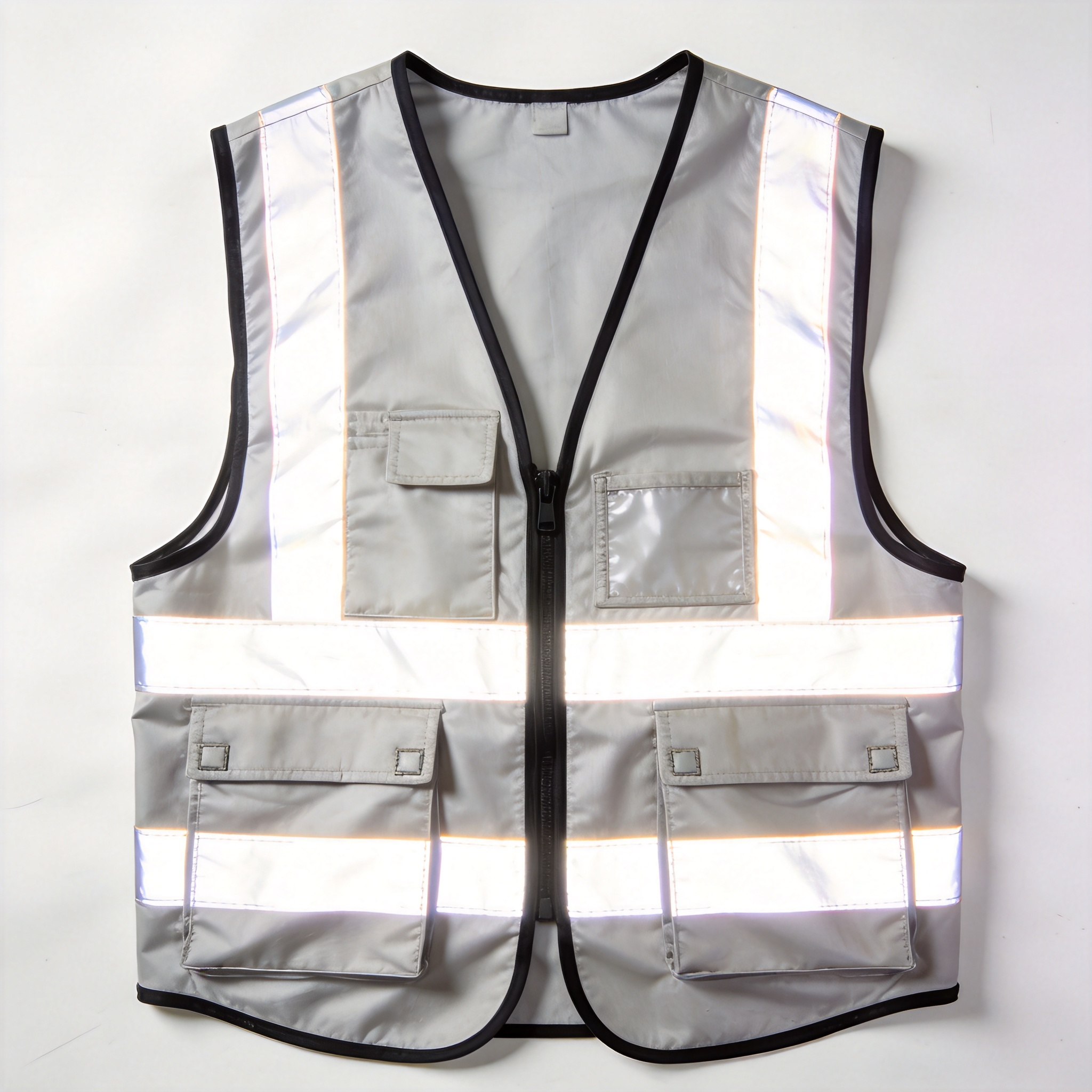
High-Visibility Clothing
Reflective workwear enhances visibility in low-light environments and busy work zones.
Protective Workwear
Industrial workwear provides protection while ensuring worker comfort and mobility.
Choosing the Right PPE for Your Industry
Not all PPE products are suitable for every workplace.
Conduct Risk Assessments
Employers should identify workplace hazards before selecting protective equipment.
Consider Product Performance
Factors to evaluate include:
- Durabilité
- Comfort
- Protection level
- Environmental suitability
Check Certifications
Certified products offer greater reliability and compliance.
Important certifications include:
- CE
- ATTEINDRE
- OEKO-TEX
PPE Maintenance Best Practices
Even the highest-quality PPE requires proper maintenance.
Regular Inspection
Workers should inspect PPE before each use.
Timely Replacement
Damaged equipment should be replaced immediately to maintain protection levels.
Employee Training
Training ensures workers understand how to properly wear, use, and maintain PPE.
The Business Benefits of PPE Investment
Many companies focus only on the cost of PPE. However, the benefits often far outweigh the investment.
Reduced Workplace Accidents
Fewer injuries lead to lower compensation costs and less downtime.
Improved Productivity
Workers can focus on their responsibilities when they feel safe and protected.
Enhanced Corporate Reputation
Organizations with strong safety cultures often attract better employees and gain greater customer trust.
Conclusion
Personal Protective Equipment remains one of the most effective tools for reducing workplace risks and improving operational efficiency. By selecting certified, high-quality PPE products and implementing proper safety practices, businesses can protect their workforce while supporting long-term growth.
With decades of experience in safety product manufacturing, EMBOSON continues to provide dependable PPE solutions that meet the needs of global industries.


 English
 German
 Spanish
 Russian
 French