

For over a decade, I have served as a personal protective equipment (PPE) specialist, conducting over 500 workplace safety audits across manufacturing, construction, and logistics sectors. One of the most persistent challenges I encounter is not the availability of safety gear, but the consistent use of it. Specifically, getting workers to wear their gloves can feel like an uphill battle. While the Occupational Safety and Health Administration (OSHA) mandates hand protection when hazards are present, compliance is often low because we focus on enforcement rather than the root causes of non-compliance.
In this guide, I will share practical, field-tested strategies that move beyond the “safety lecture.” We will analyze the psychology behind glove refusal, address comfort and fit issues, and implement behavioral changes that stick. By the end of this article, you will have a clear roadmap to increase glove compliance rates, potentially reducing hand injury incidents by up to 60% within a quarter.
The Real Cost of Skipped Gloves
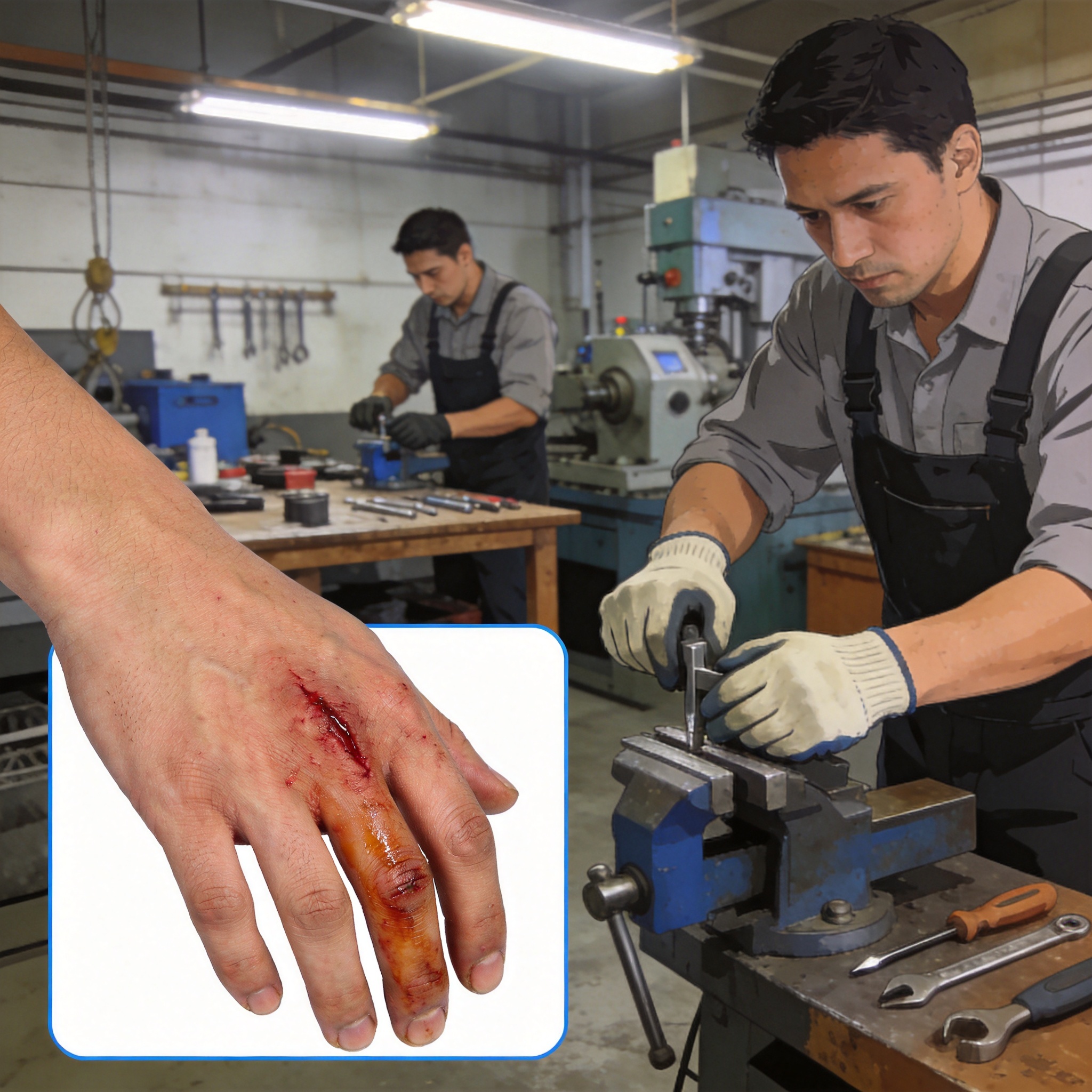
To solve the problem of glove non-compliance, we must first understand the financial and human stakes involved. According to the U.S. Bureau of Labor Statistics, the median number of days away from work due to hand injuries is significantly higher than for other injury types. In my audits, I have seen a single laceration requiring stitches cost a company over $40,000 in direct medical costs and lost productivity, not to mention the potential for permanent nerve damage for the employee.
Beyond the immediate injury, there is the hidden cost of “near misses.” When a worker drops a sharp object but avoids a cut, it is often dismissed as luck. However, these incidents signal a breakdown in safety protocols. In 2021 alone, the manufacturing sector reported over 20,000 hand injury cases involving days away from work, according to the BLS. These are not just numbers; they represent skilled laborers losing income and companies facing increased insurance premiums.
The financial argument for compliance is clear, but logic rarely drives human behavior. If it did, we would not need to write this guide. We need to address the ergonomic and psychological barriers that make workers feel the glove is a bigger hindrance than the hazard. Only by acknowledging these “invisible” costs can we begin to design a solution that workers will actually embrace.
Why Workers Refuse to Wear Gloves
In my experience, the number one reason for glove refusal is poor fit and lack of dexterity. If a worker cannot feel the product they are handling, they will instinctively remove the glove to perform the task “better.” This is especially prevalent in assembly lines where small parts are involved. A glove that is too thick or has a loose fingertip reduces tactile sensitivity, leading to frustration and increased error rates.
The second major barrier is heat and sweat. Wearing impermeable gloves for eight hours creates a microclimate that can lead to excessive sweating, skin maceration, and discomfort. I recall a case in a Florida warehouse where workers were literally soaking their gloves in water to cool down, which then caused blisters. In these scenarios, the worker is not being careless; they are making a rational decision to avoid physical discomfort.
Finally, we have the “machismo” factor or workplace culture. In many shops, veteran workers set the tone. If the senior staff member never wears gloves and has “never been hurt,” newer employees will view glove use as a sign of weakness or inexperience. This social pressure is often stronger than any safety poster. To change this, we must identify these cultural leaders and convert them into safety champions rather than fighting against them.
Practical Solutions: Comfort, Fit, and Culture
Solving this issue requires a multi-pronged approach that prioritizes the worker’s needs. The first step is to conduct a comprehensive glove assessment. Do not buy a single type of glove for the entire facility. Instead, create a “glove matrix” that matches the glove material and thickness to the specific task. For example, a mechanic needs a different glove than a glass handler or a worker dealing with chemicals.
Here is a list of practical steps to improve compliance based on my field tests:
- Offer Multiple Sizes: Ensure you stock at least three sizes (S, M, L, XL) and allow workers to try them on before ordering.
- Provide Breathable Options: For warm environments, switch to string-knit gloves with a polyurethane coating or those with breathable backs.
- Implement a “Gravel” Test: Have workers pick up a small bolt or screw with the glove on. If they cannot do it easily, the glove is too bulky for the task.
- Create a Glove “Library”: Let workers test different models for a week before committing to a bulk order.
The “No-Excuse” Glove Stations
Compliance drops when gloves are stored far from the work area. I recommend placing glove dispensers within 10 feet of every workstation. This reduces the “walking time” excuse. Furthermore, do not just provide the gloves; provide a disposal system that is equally accessible. In one facility, we increased compliance by 40% simply by moving the glove box from the supply closet to the workbench.
Leading by Example
Management must wear gloves when they walk the floor. If a plant manager shakes hands with a worker while wearing gloves, it sends a powerful message. I have seen safety managers lose all credibility because they preached glove use while holding a clipboard with bare hands. Visible leadership commitment is the cheapest and most effective safety intervention available.
Training That Actually Changes Behavior
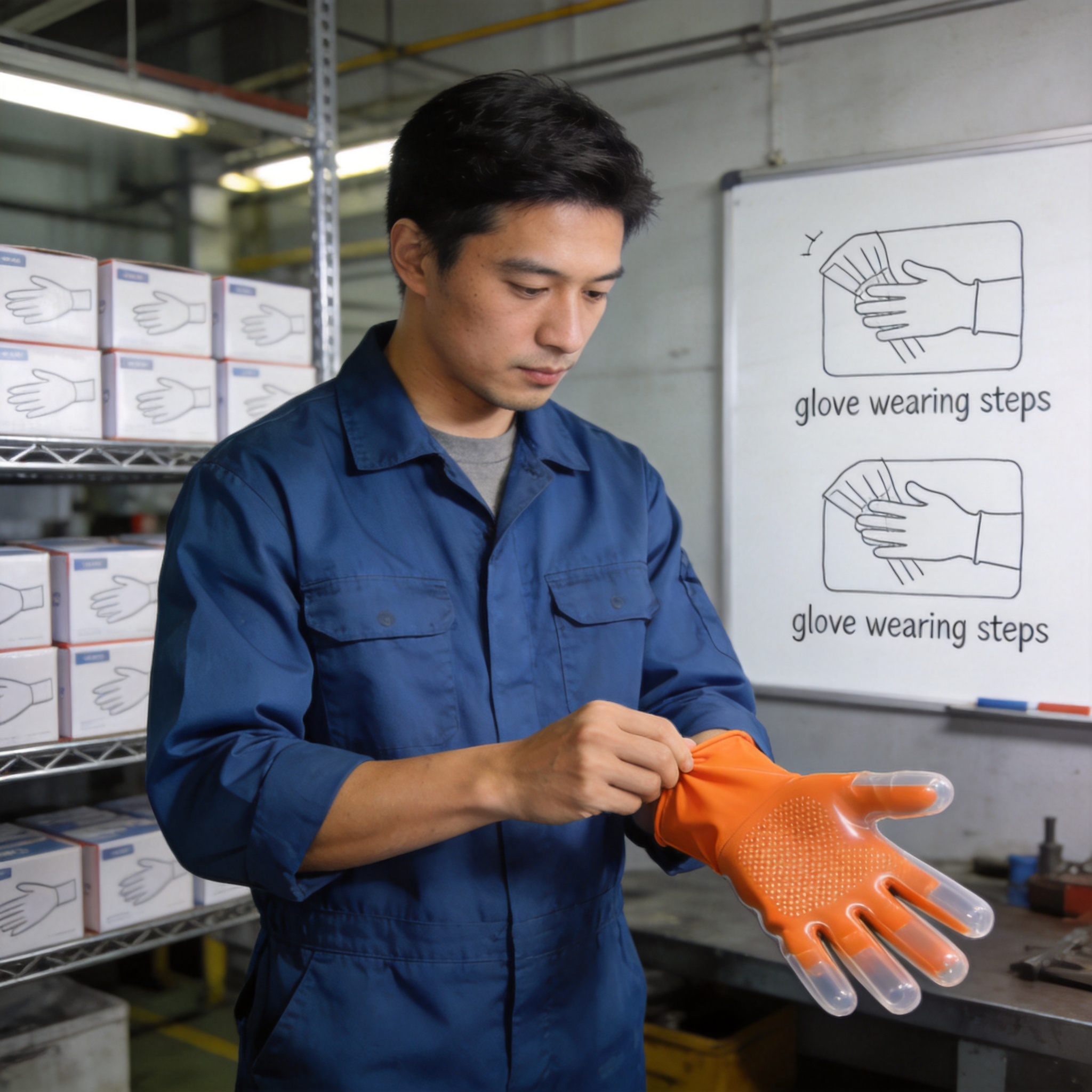
Traditional safety training involves a slideshow and a quiz. This does not work. To change behavior, we must use experiential learning. I utilize a “glove simulation” where workers must handle a sticky, sharp object while wearing a glove that is too large. This simulates the frustration of poor fit. Then, I hand them a correctly fitted glove and ask them to repeat the task. The difference in ease is immediately tangible.
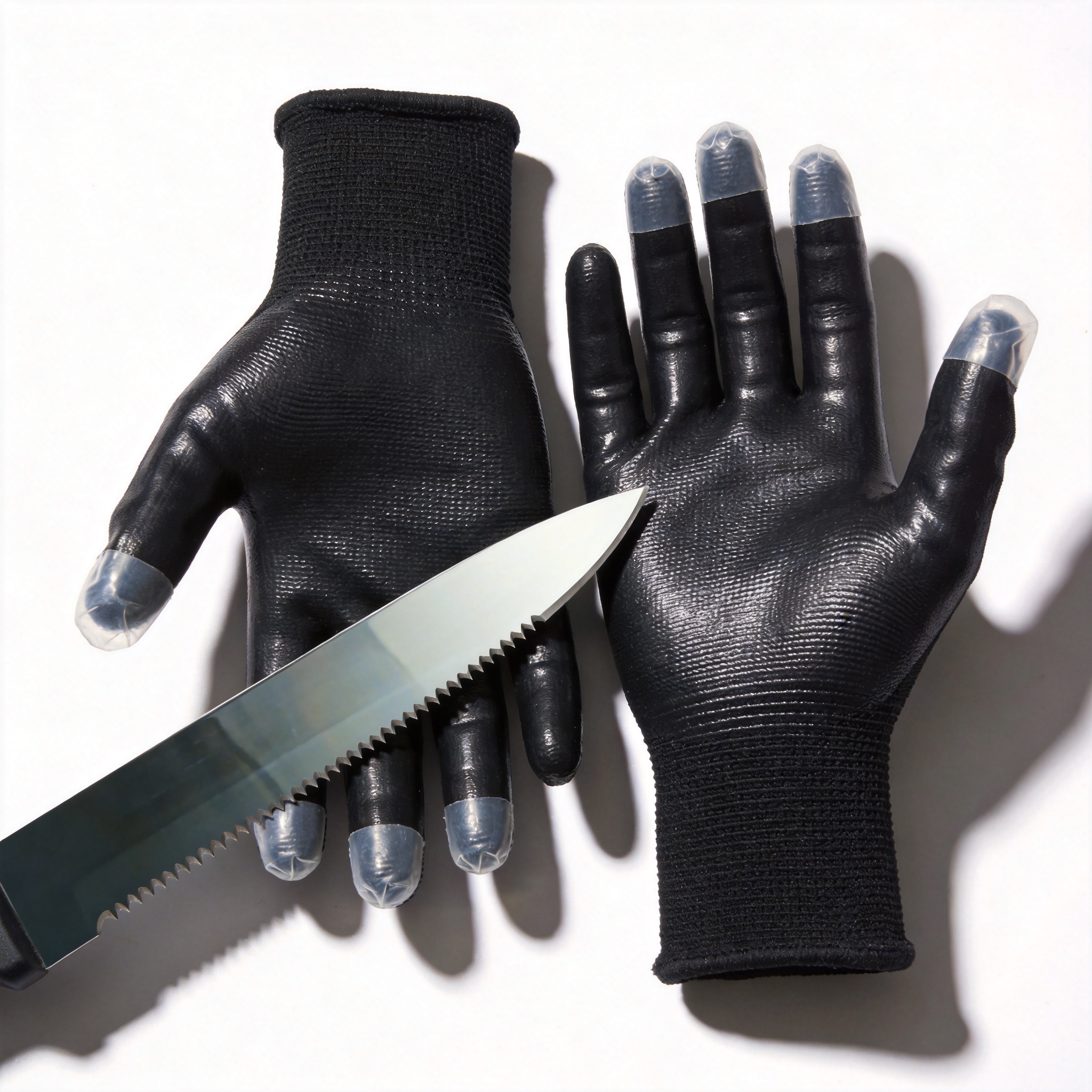
Another effective technique is the “Glove Off” demonstration. This involves showing a worker a piece of raw meat (chicken or pork) and a sharp knife. First, you cut the meat without a glove to show the ease of penetration. Then, you put on a cut-resistant glove and attempt to cut again. The visual proof that the glove stops the blade is far more impactful than a statistic about lacerations. This hands-on demonstration addresses the “it won’t happen to me” fallacy.
Training should also cover proper doffing techniques. Many workers contract dermatitis because they remove gloves incorrectly, exposing their skin to contaminants. The CDC provides guidelines on glove removal to prevent contamination, which is a critical piece of training often overlooked. By teaching workers how to remove gloves safely, we protect them from secondary exposures, increasing their trust in the PPE process.
Measuring Success and Maintaining Momentum
You cannot manage what you do not measure. I recommend moving beyond “observation” and implementing a daily glove usage audit. Assign a safety officer or shift lead to conduct a 15-minute walkthrough every shift, recording the number of workers wearing gloves versus those handling materials without them. This data should be tracked on a whiteboard visible to all employees.
Here is a simple tracking table we use in the field to monitor progress:
| Week | Baseline Compliance | Target Compliance | Hand Incidents |
|---|---|---|---|
| Week 1 | 45% | 60% | 2 |
| Week 2 | 58% | 65% | 1 |
| Week 3 | 67% | 70% | 0 |
| Week 4 | 75% | 75% | 0 |
Data based on a 2023 case study from a metal fabrication plant in Ohio.
Finally, do not let compliance become a punitive issue. If you see a worker without gloves, the first response should be a coaching conversation, not a write-up. Ask them por qué they took them off. The answer is usually a clue to a systemic problem—perhaps the gloves are ripped, or the task changed. By treating non-compliance as a diagnostic tool rather than a disciplinary offense, you build a culture of trust where workers feel safe reporting issues.
In conclusion, getting workers to wear gloves is not about stricter rules; it is about better equipment, smarter training, and empathetic leadership. Start by auditing your current glove selection, involve your workers in the selection process, and measure your progress weekly. With these practical tips, you can significantly reduce hand injuries and build a safer, more productive workforce.



 English
 German
 Spanish
 Russian
 French